





- What is Shopify Omnichannel Selling?
- Why Omnichannel is Crucial for Shopify Merchants
- Increased Customer Reach
- Improved Customer Experience
- Higher Sales and Revenue
- Better Data and Insights
- Key Components of an Effective Shopify Omnichannel Strategy
- Unified Inventory Management
- Consistent Branding
- Seamless Payment Options
- Customer Data Integration
- Shopify Tools to Support Omnichannel Selling
- Shopify POS (Point of Sale)
- Shopify Markets
- Shopify Payments
- Shopify App Store
- The Shopify Tools Worth Knowing in 2026:
- Best Practices for Integrating Online and Offline in 2026
- 1. Unified Commerce, Not Just Connected Channels
- 2. First-Party Data Is Now the Foundation
- 3. Flexible Fulfillment Is Now Table Stakes
- 4. Social Commerce and Marketplaces Aren’t Optional Anymore
- 5. Your Store Staff Are Part of the Strategy
- 6. Automate What Doesn’t Need a Human
- 7. Measure the Right Things
- Challenges of Omnichannel Selling and How to Overcome Them
- Inventory Management
- Customer Experience Consistency
- Technology Integration
- Data Overload
- Ready to Build a Shopify Omnichannel Setup?
- Wrapping Up
- FAQ
- What’s the difference between multichannel and omnichannel on Shopify?
- How does Shopify POS support omnichannel selling?
- How do I connect social media to my Shopify store?
- What’s unified commerce, and how is it different from omnichannel?
- How does omnichannel improve customer experience?
- Does this work for small retailers or only large ones?
- How do I know if my omnichannel strategy is working?
- How can Elsner Technologies help?
Quick Answer
Shopify omnichannel selling means running all your sales channels, online store, POS, social, and marketplaces, as one connected system, so inventory, customers, and orders stay in sync everywhere. The core tools are Shopify POS Pro for physical retail, Shopify Markets for regions, Marketplace Connect for Amazon and others, and Flow for automation. The goal is unified commerce, one system rather than many that merely talk to each other.
Your customers don’t care about your channel strategy. They find you on Instagram, price-check on Amazon, read reviews on Google, and show up in your store assuming the associate already knows what they browsed last week. That’s just how people shop now.
For anyone running a retail or ecommerce operation, that creates a real problem: every disconnected channel is a leak. EY’s POS Market Report puts numbers to it. Businesses on unified commerce platforms see around 8.9% more in sales and a 5% efficiency gain. Companies still running separate systems for each channel spend more to acquire customers, keep fewer of them, and burn cash on inventory that’s impossible to track accurately.
Shopify has become the go-to for merchants who want everything managed from one place. With Shopify POS, Shopify Markets, and Flow automation, the infrastructure is there. The harder part is figuring out what to actually do with it.
That’s what this guide covers: what an omnichannel strategy looks like in practice, which 2026 best practices actually move the needle, and where most retailers are still getting it wrong.
What is Shopify Omnichannel Selling?
[Source: https://www.shopify.com/]
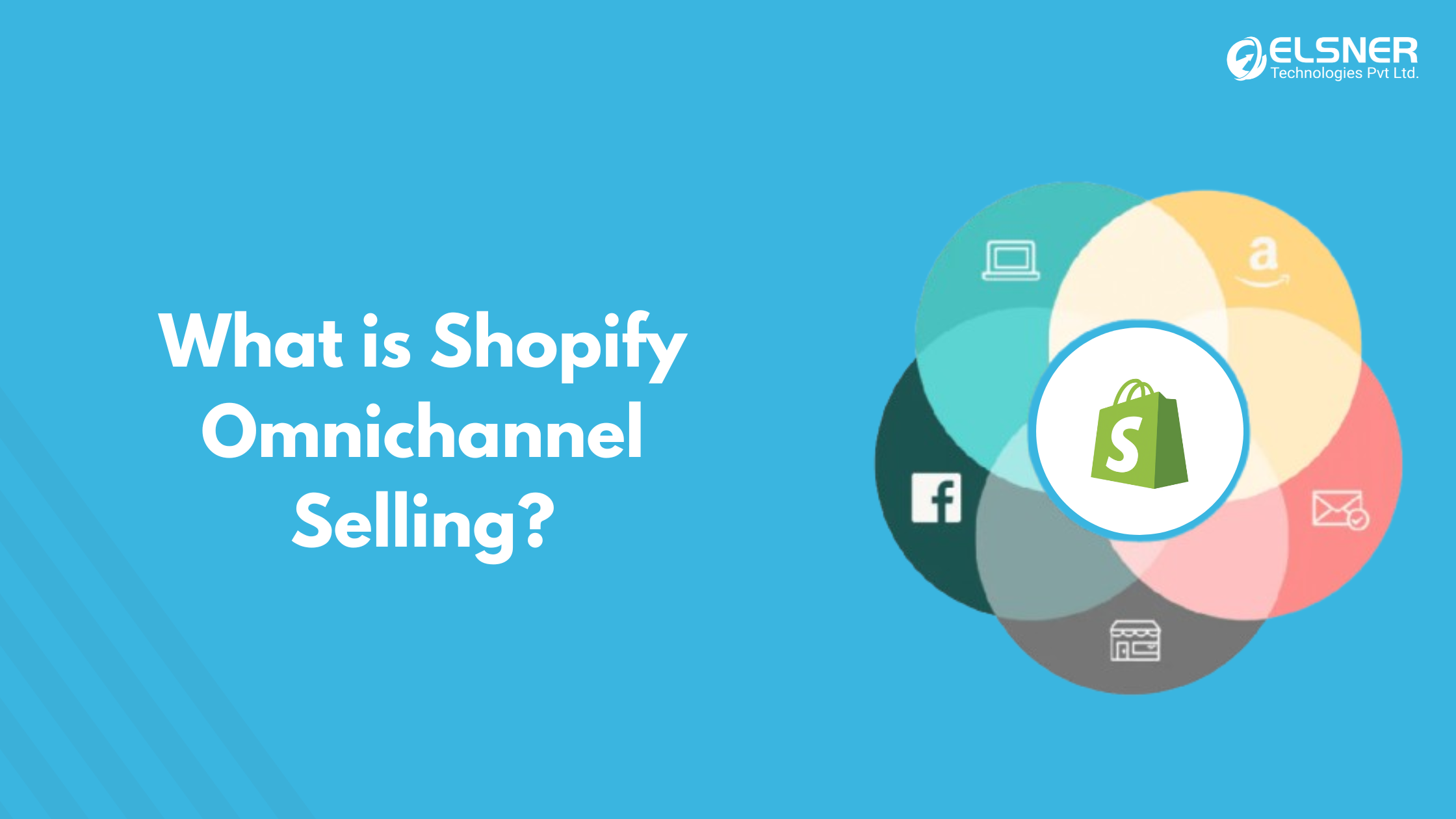
Omnichannel selling refers to the integration of many sales channels into a single location, such as an online store, social media networks, online marketplaces, and a network of physical locations. Consequently, the consumer receives the same experience irrespective of the channel they want to utilize for buying. You can manage your sales from one place with Shopify omnichannel for both offline and online channels.
For example, you might run an ecommerce store on Shopify but also have a physical, brick-and-mortar store. Furthermore, you also sell through social media channels like Instagram or Facebook. With Shopify store integration, you can now track inventory, customer information, and all your sales from all of these channels in one location. The result? Greater efficiency and a unified customer experience.
Why Omnichannel is Crucial for Shopify Merchants
Increased Customer Reach
Selling through multiple platforms means reaching more customers. Some might be comfortable with online shopping, while others would rather visit a physical store. With Shopify store integration, you can accommodate a variety of tastes.
Improved Customer Experience
Improved Customers expect the same experience level, whether online or offline. With Shopify omnichannel retail, you maintain the equivalent service, product availability, and pricing no matter which platform your customer uses.
Higher Sales and Revenue
You can reach more customers when you sell through various channels, which enhances your chances of generating more sales, which is the ultimate goal of any business. Furthermore, Shopify retailers have access to features like “buy online or pick up in-store,” which lets buyers place an order online and then take it from a physical store later.
All omnichannel selling data, from your Shopify store integration, social media accounts, or physical location, can be collected and organized with the help of Shopify store integration.
Better Data and Insights
Through Shopify Retail Solutions and omnichannel selling, all data can be captured from various touchpoints and centralized, allowing you to truly optimize your marketing efforts, understand and measure customer behavior, and make growth-oriented decisions.
Key Components of an Effective Shopify Omnichannel Strategy
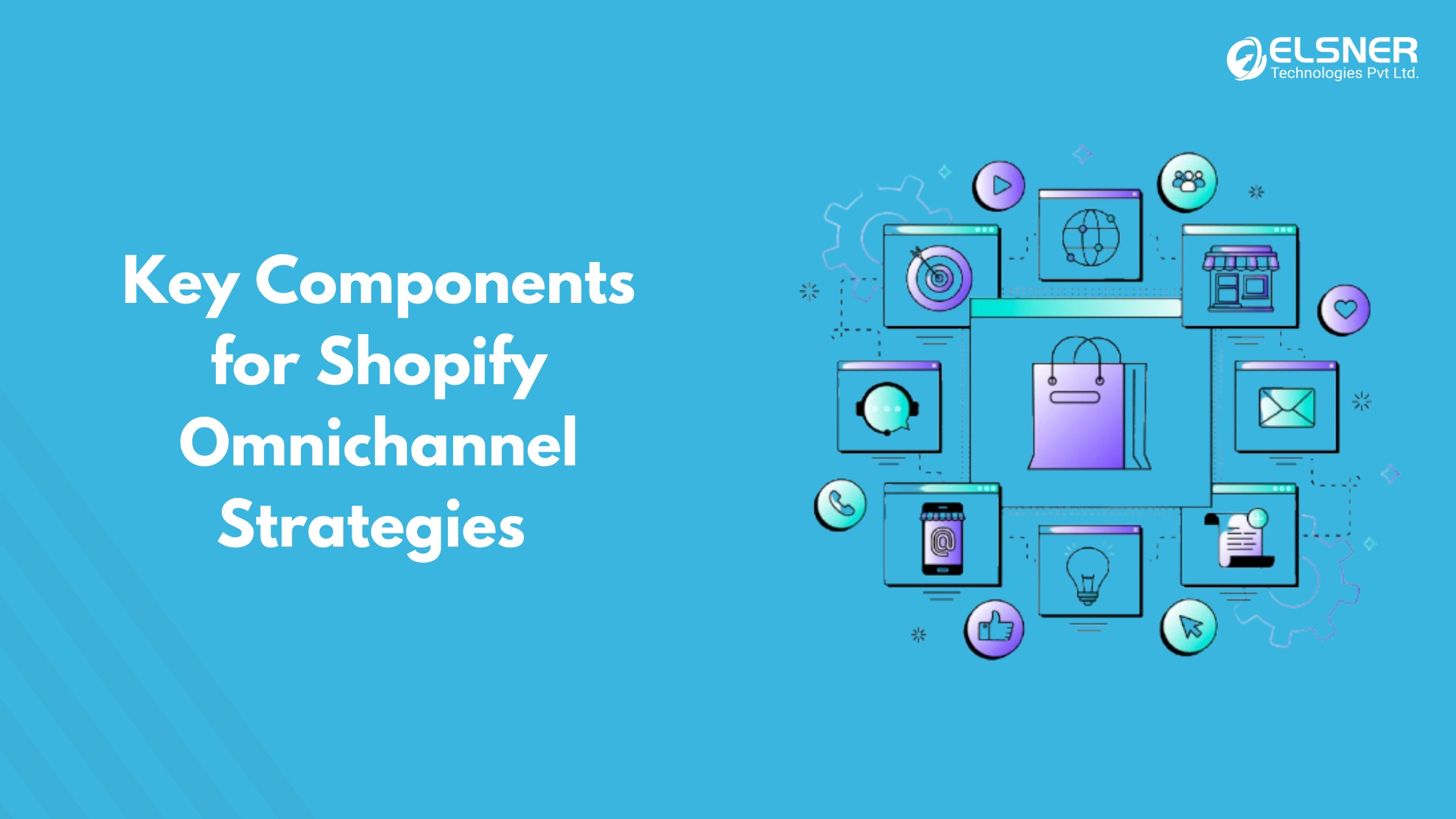
Unified Inventory Management
Keeping track of inventory across several locations is one of the biggest issues facing Shopify omnichannel retailers. Regardless of where customers buy, Shopify retail solutions provide businesses the freedom to precisely control stock availability for customers across all sales channels in real time.
Consistent Branding
Customers should have the same experience whether they enter your physical store or browse your Shopify store. Your logo, marketing, and product offers will be consistent across all platforms with Shopify shop integration, guaranteeing a seamless consumer experience.
Seamless Payment Options
Multiple payment options need to be available through all online and offline channels. Secure and easy transactions can be facilitated by integrating solutions like Shopify Payments with your Shopify POS connection. Additionally, Shopify Retail Solutions provides flexibility for various payment methods, ensuring your customers have a smooth shopping experience regardless of where they buy.
Customer Data Integration
The key to omnichannel success is integrating customer data across all touchpoints. The Shopify omnichannel features do this for you. Centralizing customer information enables you to track purchase history and personalize interactions with the customer more effectively.
Shopify Tools to Support Omnichannel Selling
Shopify POS (Point of Sale)
With the powerful technology of Shopify POS, retailers have complete control over sales at their physical locations. It makes omnichannel company management easy and ensures that sales, inventory, and customer interactions are synced across all platforms when combined with a Shopify store integration.
Real-time payment acceptance, refund processing, and channel-wide inventory management will all be made easier with Shopify POS integration. Additionally, it easily interacts with all other Shopify features, making omnichannel business management simple.
Shopify Markets
Shopify Markets helps you manage all your international sales from one platform so that you can take over the world. It allows you to optimize your store for different regions, with options for local pricing, currencies, and languages. Shopify Markets opens up omnichannel possibilities beyond borders, helping you deliver highly tailored experiences to international customers.
Alongside this, Shopify Retail Solutions further supports international sales by ensuring your business is optimized across physical and digital touchpoints globally.
Shopify Payments
Shopify Payments is a built-in payment gateway that allows omnichannel selling by receiving online and offline payments. For customers, the Shopify checkout process is made simpler and safe. It also has support for multiple payment methods like credit card payments along with PayPal and Apple Pay, which makes it a versatile solution for Shopify merchants.
Shopify App Store
Shopify’s App Store has many apps that allow merchants to integrate their offline and online channels. Among the most popular apps for omnichannel selling are inventory management, CRM software systems, and order management solutions. With
Shopify Retail Solutions, you can further streamline your workflow across different channels, automating various tasks and enhancing customer service quality.
The Shopify Tools Worth Knowing in 2026:
Shopify POS Pro — Real-time inventory sync between physical and online, unified customer profiles, flexible checkout. The core of any physical retail strategy on Shopify.
Shopify Flow — No-code automation for inventory, fulfillment, and customer lifecycle. Underrated.
Shopify Marketplace Connect — Lists and syncs inventory across Amazon, Walmart, Etsy, and eBay from your Shopify admin. Saves a lot of manual work.
Shopify Email & Collabs — Native email marketing and influencer tools that pull directly from your store data.
Shopify Plus — The enterprise tier. Worth it at high volume: better automation, B2B and wholesale capabilities, more headroom on customization.
Best Practices for Integrating Online and Offline in 2026
1. Unified Commerce, Not Just Connected Channels
There’s a real difference between “our systems talk to each other” and “our systems are actually one system.” The industry has moved on from calling the first one good enough.
Unified commerce means one platform managing every channel, inventory pool, and customer record. It is what separates retailers with clean operations from retailers constantly firefighting integration failures.
In Shopify terms: deploy POS Pro so your physical and online inventory sync in real time, use the unified customer model so purchase history is visible everywhere, and consolidate your reporting so your merchandising team and your ops team are looking at the same numbers. Many retailers work with a Shopify development company during this stage to configure POS, inventory logic, and reporting in a way that actually supports unified commerce instead of creating new operational gaps.
2. First-Party Data Is Now the Foundation
Third-party cookies are largely gone. The retailers who built their personalization on that data are rebuilding now. The ones who built on first-party data (behavioral signals, purchase history, declared preferences) are ahead.
Deloitte found 61% of high-growth companies have already shifted their personalization strategy to first-party data. If you haven’t, that’s the gap.
Shopify’s metafields let you capture custom data at every touchpoint. Pair that with Klaviyo, Yotpo, or Salesforce and you can actually activate it. Loyalty programs help too, but only if they’re built to learn about customers, not just reward purchases.
3. Flexible Fulfillment Is Now Table Stakes
38% of shoppers want to buy online and pick up in-store. 57% still want to see products in person before buying. Those two numbers coexist. Which means BOPIS, BORIS, ship-from-store, curbside, and home delivery all need to work.
This is an area where Shopify’s multi-location inventory tools are genuinely useful. Routing orders to the closest fulfillment point automatically, and showing real-time availability across locations, keeps you from overselling and reduces delivery time. The configuration work upfront is real but it pays off quickly.
4. Social Commerce and Marketplaces Aren’t Optional Anymore
TikTok Shop is not a test anymore. Neither is Instagram Shopping or Facebook Shops. These are where a large chunk of discovery and first purchase happen now, especially for anyone selling to consumers under 40.
At the same time, Amazon and Walmart Marketplace remain where a lot of people go to compare before they buy anywhere. You want to be there.
Shopify’s native integrations with TikTok, Instagram, and Facebook let customers buy directly from content without leaving the platform. Shopify Marketplace Connect handles syncing your listings across Amazon, Walmart, and Etsy without running separate inventories. It’s worth the setup time.
5. Your Store Staff Are Part of the Strategy
No amount of technology fixes a store associate who can’t see that the customer in front of them bought three things online last month, has 200 loyalty points, and asked about a product that’s available in the back.
Mobile POS devices that surface customer profiles are not a nice-to-have at this point. Training staff on BOPIS workflows, endless aisle ordering (buying out-of-stock items from the store for home delivery), and cross-channel returns is basic competency. And incentive structures that reward in-store staff only on in-store conversion.
6. Automate What Doesn’t Need a Human
Shopify Flow is useful and underused. Low-inventory alerts, reorder triggers, fraud checks, post-purchase segmentation: these don’t need a person’s attention every time.
Setting up automations that tag customers based on cross-channel behavior, then feed those segments into your marketing tools, is one of those things that feels like overhead until it’s running and you can’t imagine doing without it.
7. Measure the Right Things
Last-click attribution will lie to you. A customer who discovers you on TikTok, researches you on your site, and buys in your store will show up as an in-store sale if that’s all you’re measuring. You won’t know TikTok earned it.
The metrics worth tracking: cross-channel CLV, channel-influenced revenue, BOPIS conversion rate, return rates by channel. Shopify Analytics combined with GA4 gives you enough to build reasonable attribution models. The channel comparison reports in Shopify are a good starting point for spotting what’s underperforming.
Challenges of Omnichannel Selling and How to Overcome Them

Inventory Management
Balancing inventory looks complicated on multiple channels. Shopify tools like Shopify POS integration and inventory management apps ensure everything remains in sync and prevent stock discrepancies. A Shopify Omnichannel Guide from a developer can walk you through best practices for managing inventory across all sales platforms.
Customer Experience Consistency
Providing a seamless experience across all channels requires quite an effort. With Shopify omnichannel retail, merchants can focus on branding, have synchronized inventory, and integrate customer data to deliver a smooth shopping experience.
Technology Integration
Integrating online and offline systems can be challenging. However, Shopify provides myriad apps and built-in features that merchants can use to achieve this connection.
Data Overload
Data from various channels may feel overwhelming. Therefore, merchants should focus most on using Shopify’s reporting tools to analyze their business’s most important data points.
Ready to Build a Shopify Omnichannel Setup?
Not sure where your Shopify setup stands? Our experts can review your store, identify gaps, and help you build a seamless omnichannel experience.
Wrapping Up
The brands pulling ahead in retail right now aren’t necessarily bigger or better funded. They’re more connected internally. Their channels share data. Their staff has the right tools. Their fulfillment works the way customers expect it to.
That’s the 2026 playbook: unify your operations, build on first-party data, give your in-store team the same tools your ecommerce team has, and automate what you can. Not complicated in concept. Still takes real work to execute.
FAQ
What’s the difference between multichannel and omnichannel on Shopify?
Multichannel means you sell in multiple places. Omnichannel means those places share data. With multichannel, your Amazon inventory and your Shopify inventory are separate problems. With omnichannel, there’s one inventory pool and one customer record, regardless of where the sale happens.
How does Shopify POS support omnichannel selling?
Shopify POS keeps your in-store and online inventory in sync in real time. It shows the store associates a customer’s full purchase history, handles BOPIS and ship-to-customer from the same interface, and feeds transaction data back into your central analytics. POS Pro adds multi-location management, staff permissions, and more detailed retail reporting.
How do I connect social media to my Shopify store?
Shopify has native integrations with Instagram Shopping, Facebook Shops, TikTok Shop, and Pinterest. You sync your product catalog, customers buy directly from the platform without leaving it, and the sales, inventory changes, and customer data all come back into your Shopify admin. One view of everything.
What’s unified commerce, and how is it different from omnichannel?
Omnichannel connects separate systems. Unified commerce means there’s only one system to begin with. The practical difference: fewer integrations to maintain, no data lag between channels, and a cleaner customer record because nothing needs to sync — it was never separate. EY’s research puts the cost advantage of unified commerce platforms at around 22% better TCO and 20% faster implementation compared to connected-but-separate architectures.
How does omnichannel improve customer experience?
Mainly by removing friction. Customers don’t have to re-explain their purchase history in-store. Their loyalty points work everywhere. They can buy online and return in-store without a complicated process. And when your inventory data is accurate across channels, you stop overselling and under-delivering — which is one of the fastest ways to lose a customer permanently.
Does this work for small retailers or only large ones?
Shopify’s omnichannel setup scales. Small retailers can start with POS and one or two social integrations and expand from there. You don’t have to build the whole thing at once. Shopify Plus is the right move at high volume, but the core infrastructure works at any size.
How do I know if my omnichannel strategy is working?
The metrics that matter: cross-channel CLV, BOPIS adoption rate, channel-influenced revenue, return rate by channel, inventory accuracy across locations. Last-click attribution will mislead you. Look for platforms that show the full journey. Shopify Analytics paired with GA4 is a reasonable starting point.
How can Elsner Technologies help?
We’re a Shopify development partner. We do POS implementations, channel integrations (social, marketplaces, ERP, CRM), custom Shopify apps, and Shopify Plus migrations. If you want a clear picture of where your current setup stands and what it would take to improve it, start with a free assessment. We’ll tell you what we see, not just what would generate the most work for us.