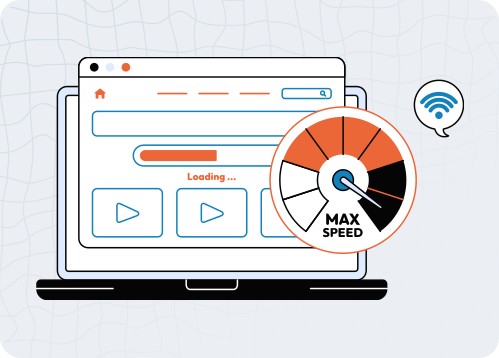
According to Google’s own research, the probability of a visitor bouncing climbs 32% once a page takes three seconds to load instead of one. That gap costs more revenue than most store owners realize, because it rarely shows up as a complaint. It just shows up as a slightly lower add-to-cart rate nobody investigates.
We start every speed project the same way: audit which apps are firing scripts on every page, including the ones only used on one. Bloated code, oversized product images, and slow server responses usually trace back to three or four fixable culprits, not a full rebuild.
A store that loads in under two seconds does not just feel better, it ranks better and converts better. This is where Shopify SEO Services connect directly to development work, since speed is one of the few ranking factors you can actually control end to end.